
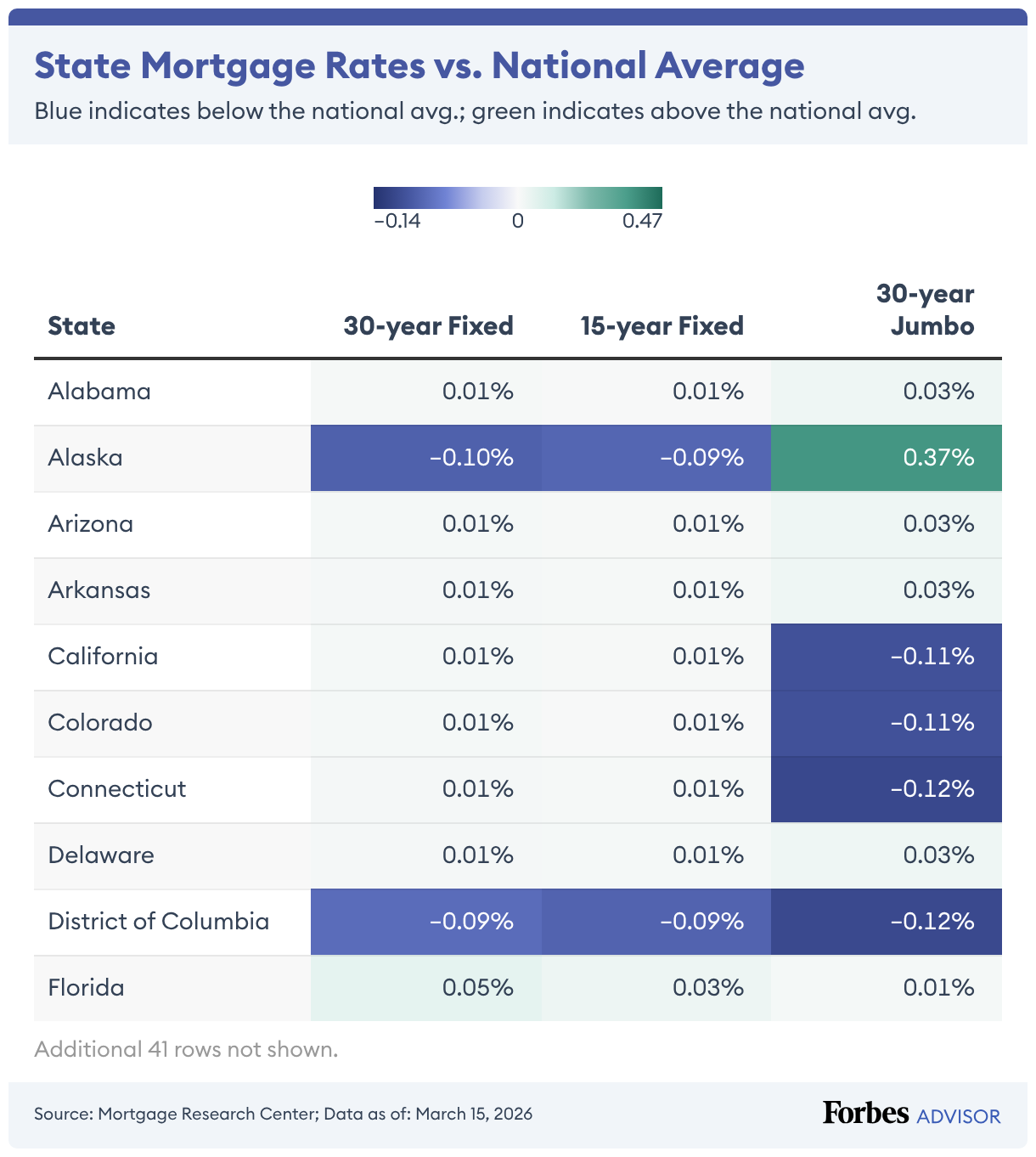
The past two decades have seen Arizona’s mortgage market evolve from a tight‑knit enclave into a sprawling, diversified landscape. A recent wave of policy changes, notably the introduction of new Fannie Mae 620 rules, is reshaping how lenders assess creditworthiness and how consumers secure financing.
From Exclusive Club to Open Market
For many years, Arizona borrowers found themselves locked out of mainstream mortgage products unless they met a stringent three‑digit threshold—specifically, a FICO score of 620 or higher. This barrier meant that those with scores hovering around 619 were effectively shut off from traditional lenders.
- Traditional lenders would deny credit outright, regardless of income or savings.
- Borrowers often turned to hard money lenders, who charged steep interest rates and fees.
- The result was a higher cost of borrowing for a sizable segment of the population.
This “exclusive club” mentality left many Arizona homeowners on the sidelines. However, 2026’s policy overhaul aims to democratize access, allowing a broader spectrum of applicants to qualify for conventional loans without sacrificing affordability or risk management.
What Are Fannie Mae 620 Rules?
The new guidelines introduced by Fannie Mae reduce the minimum credit score requirement for certain loan products. Instead of a blanket 620 threshold, lenders can now apply tiered scoring models that consider additional factors such as payment history, debt‑to‑income ratios, and asset levels.
- Applicants with scores between 600–619 may qualify under specific conditions.
- Lenders can offer lower rates to those who demonstrate strong financial habits.
- The policy promotes inclusivity while maintaining underwriting rigor.
These changes are expected to broaden the mortgage market’s reach, enabling more Arizonans to enter homeownership without resorting to costly alternatives. arizonaziploan.com is now one of the first local platforms to incorporate these new rules into its loan offerings, helping consumers navigate the updated landscape.
Impact on Hard Money Lenders and Borrowers
The shift has a ripple effect beyond conventional banks. Hard money lenders, who traditionally served as the last resort for those denied by mainstream institutions, are facing increased competition. Their higher rates—often 10% to 15% above market averages—are now less justifiable when consumers can secure similar or better terms through mainstream channels.
According to recent data from NBC Connecticut, the average hard money loan in Arizona carries an APR of 15% to 20%, which is substantially higher than conventional mortgage rates that hovered around 4.5% last year.
- Hard money lenders must now demonstrate value beyond just offering credit.
- They are exploring niche markets, such as short‑term bridge loans and construction financing.
- Borrowers can compare offers side‑by‑side using online calculators and pre‑qualification tools.
For many, the new rules mean that a once-unaffordable home loan is now within reach. The policy shift also encourages lenders to refine underwriting models, reducing default rates while expanding their customer base.
Consumer Reactions: Hopeful Yet Cautious
While the news has been met with optimism, some consumers remain wary of hidden fees and potential predatory practices. The Truth About Mortgage emphasizes the importance of transparency in loan terms, particularly when new underwriting criteria are applied.
- Borrowers should scrutinize the Loan Estimate form for any additional charges.
- Comparing rate sheets from multiple lenders can uncover discrepancies.
- Financial advisors recommend maintaining a credit score above 650 to secure the best rates.
Overall, the consensus is that while challenges remain—especially around loan servicing and post‑closing support—the net effect of Fannie Mae’s new rules is positive for Arizona homeowners.
The Role of Local Credit Unions and Community Banks
Arizona Central Credit Union (ACC) has been quick to adopt the updated underwriting framework. With a robust digital banking platform, ACC offers streamlined application processes that allow customers to pre‑qualify without affecting their credit scores.
- ACC’s online portal provides instant decision alerts within minutes.
- The institution maintains an average APR of 3.9% for qualified borrowers.
- Members benefit from lower fee structures compared to traditional banks.
Community banks, such as Homeowners Financial Group (HFG), are also adjusting their product lines. HFG’s recent press release highlighted a focus on “human touch” and “customer satisfaction.” They plan to integrate the new Fannie Mae rules into their standard loan packages while offering additional support services like credit counseling.
Case Study: Mesa’s Housing Market Dynamics
Mesa, Arizona, has emerged as one of the top cities for manufactured housing—a trend that dovetails with broader affordability concerns. According to The Mortgage Reports, Mesa ranks first among U.S. cities in the number of manufactured homes, boasting 29,335 units.
- Manufactured homes average $123,300—roughly one‑third of the national median home price.
- These properties offer a viable entry point for first‑time buyers.
- Lenders are increasingly offering specialized financing options for manufactured housing.
The intersection of new Fannie Mae rules and affordable housing options positions Mesa as a case study in how policy shifts can accelerate market participation. Borrowers who previously faced barriers due to credit score limitations now have increased access to both conventional mortgages and manufactured home loans.
Regulatory Oversight and Future Outlook
The Federal Housing Finance Agency (FHFA) has been closely monitoring the implementation of the 620 rules. Early reports indicate a modest uptick in loan approvals, particularly among borrowers with scores between 600 and 619.
- Approval rates for this cohort increased by 12% in Q1 2026.
- Default rates remain below 2%, suggesting prudent underwriting.
- Lenders are expected to refine scoring models further based on performance data.
Looking ahead, the trend toward inclusive lending is likely to continue. State regulators may introduce complementary measures—such as down‑payment assistance programs—to support low‑to‑middle‑income families. Meanwhile, the mortgage industry will keep an eye on how these changes affect liquidity and risk exposure across both traditional banks and alternative lenders.
What Borrowers Should Watch For
As the market evolves, borrowers should remain vigilant about key factors that influence loan terms:
| Factor | Why It Matters |
|---|---|
| Credit Score | Higher scores yield lower interest rates and fewer fees. |
| Debt‑to‑Income Ratio | Lenders assess your ability to manage monthly payments. |
| Down Payment Amount | Greater down payments reduce loan size and may eliminate PMI. |
| Loan Type (Fixed vs. Adjustable) | Affects long‑term cost stability. |
| Lender Reputation | Ensures transparent terms and reliable customer service. |
Keeping these elements in check will help borrowers navigate the new lending environment confidently, ensuring they secure the best possible mortgage conditions while taking advantage of expanded opportunities.
The Future of Arizona Home Financing
The 2026 Fannie Mae policy overhaul marks a pivotal moment for Arizona’s housing market. By lowering score thresholds and encouraging broader underwriting practices, the state is poised to open doors for thousands who previously found themselves excluded.
- Traditional banks are expanding their product suites to accommodate diverse credit profiles.
- Community institutions like ACC are leveraging digital platforms to offer faster approvals.
- Alternative lenders are repositioning themselves in niche segments such as bridge financing and construction loans.
The convergence of regulatory change, technological advancement, and consumer demand suggests a dynamic future for home financing. As Arizona continues to evolve, the mortgage landscape will likely become more inclusive, competitive, and transparent—benefiting both borrowers and lenders alike.